Maryam Jafari
Introduction
The slit lamp has been at the heart of eye examinations for over a century, ever since Allvar Gullstrand first developed it in 1911 (1). Despite advances in medical technology, its basic design has changed little over the decades, with most slit lamps still relying on manual adjustments, mechanical controls, and conventional illumination.
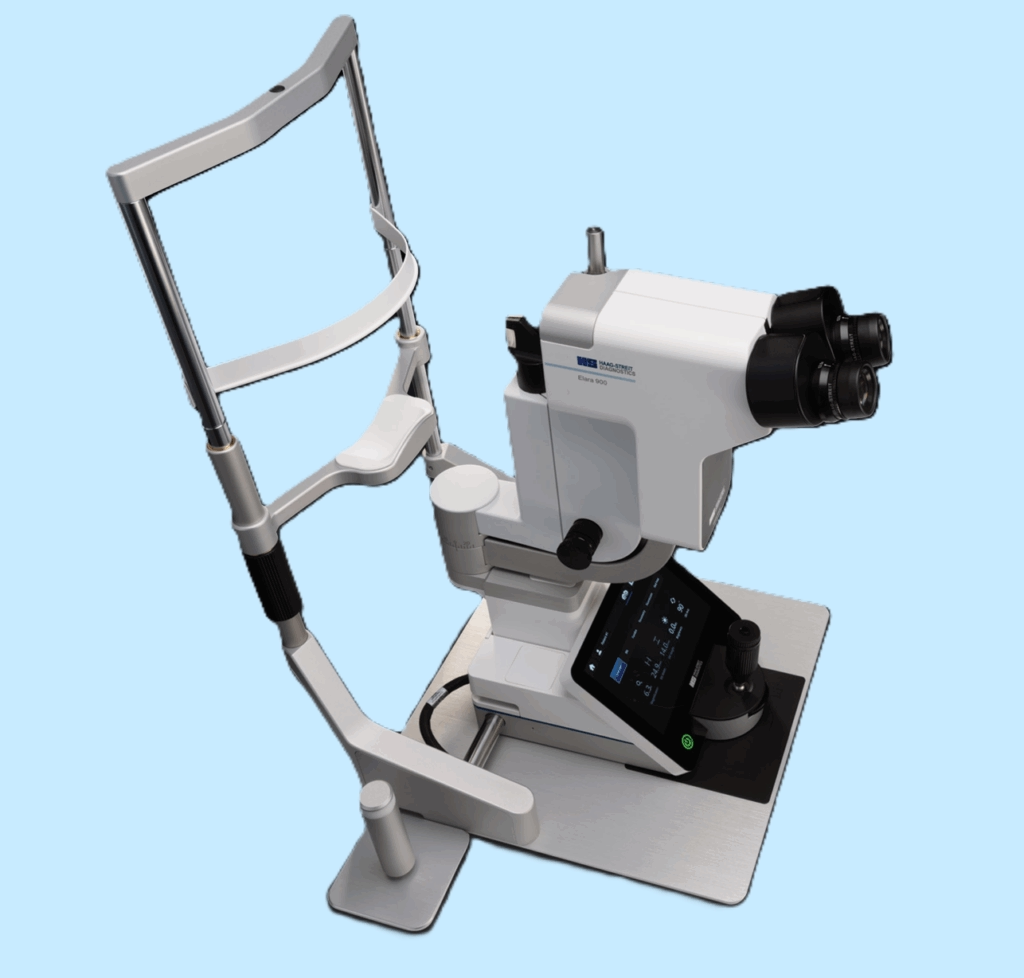
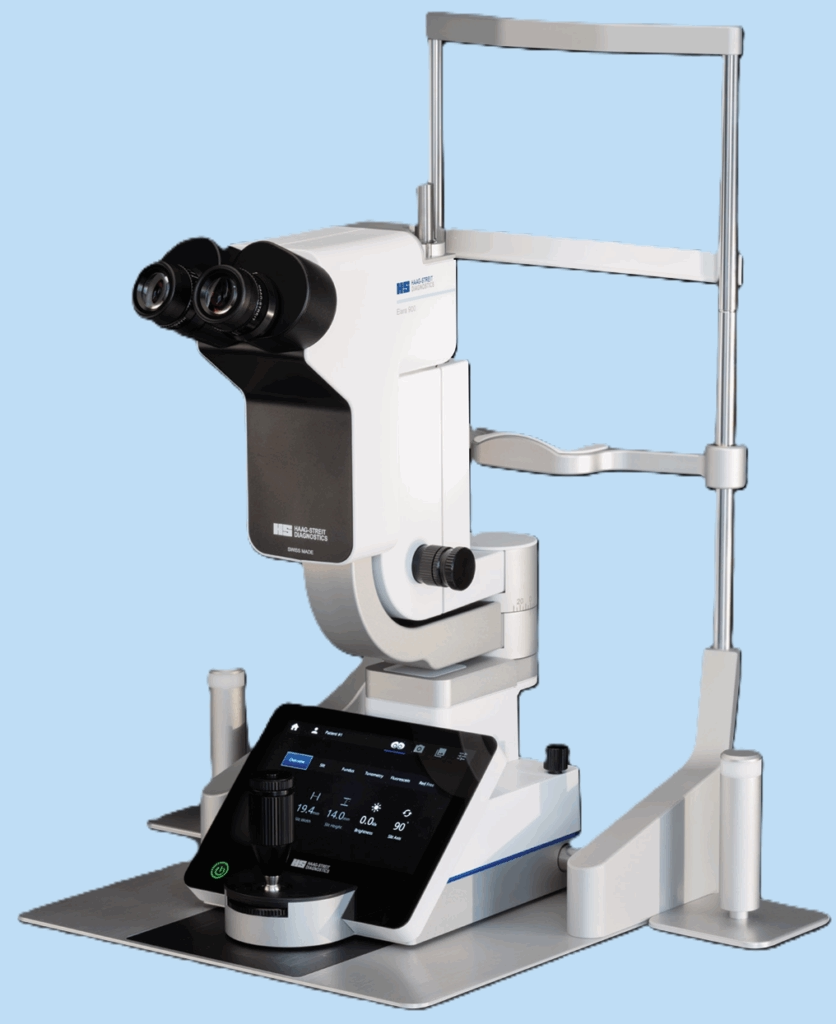
At a recent Basic Slit Lamp Skills course held at the Haag Streit UK Academy headquarters in October 2025, we were among the first clinicians to get hands-on experience with the Elara 900 (2). Released last month, this device felt like a glimpse into the future – an exciting opportunity to see how a century-old instrument could be reimagined.
Features and First Impressions
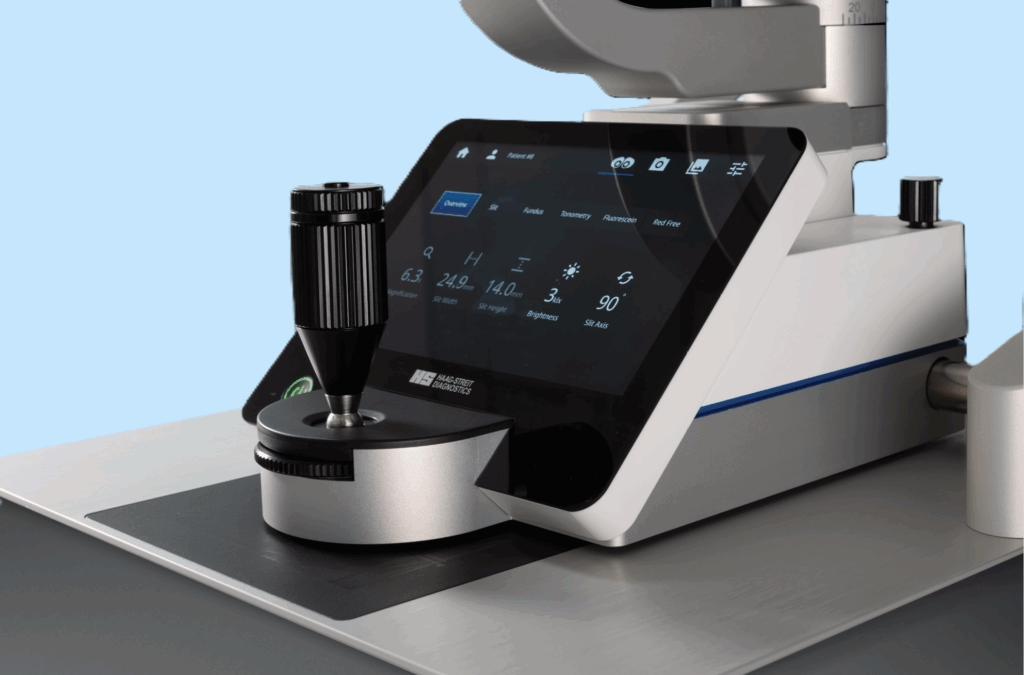
What immediately stands out about the Elara 900 is how smooth it feels to use. The motorised controls allow you to adjust magnification, focus, and slit width almost effortlessly with the joystick. It is intuitive to move between different settings, and everything can be preset to your personal preferences, so once you find what works best, you can recall it instantly.
Another standout feature is the digital screen, which allows high-quality images to be captured directly using the joystick during your exam. Being able to visualise and save findings without extra cameras or attachments feels seamless, especially for teaching or documenting cases. Captured content can optionally be assigned to the correct patient file during exam, The optics themselves are crisp and clear, and the ergonomic design, including a spacious headrest and inclined oculars, makes the exam more comfortable for both clinician and patient.
Clinical Use and Potential
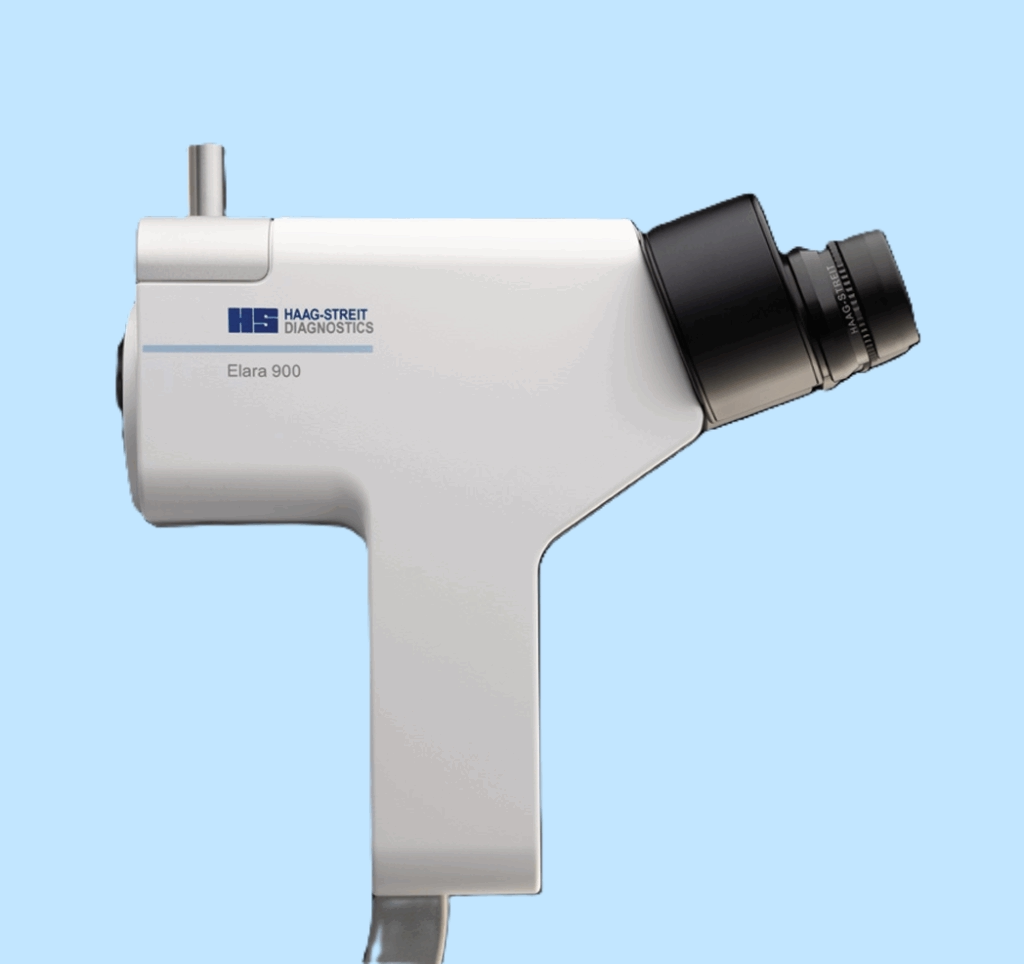
The Elara 900 seems particularly well suited for busy clinics and teaching settings. The combination of smooth motorised movement, presets, and digital capture could save time during high-volume clinics. For trainees, the ability to show exactly what the examiner sees in real time is invaluable. Switching between anterior and posterior segment views felt effortless, and the preset illumination modes reduced the need to constantly adjust the light manually.
Due to the DICOM modality worklist (DMW) support, integrating the Elara 900 into existing EPR/PACS workflows is straightforward. This enhances the clinical utility of the digital capture by seamlessly associating the images with patient records.
Limitations and Considerations
While exciting, the Elara 900 is likely to be more expensive than conventional slit lamps, and some of the advanced digital features, such as 3D imaging, and DMW may require additional purchase of software licenses.
Conclusion
Trying out the Elara 900 shortly after its release was an eye-opening experience. It felt smooth, modern, and responsive – an elegant blend of ergonomics, digital innovation, and automation. Being able to preset all settings and capture images directly on the screen makes it more than just a slit lamp; it feels like a tool designed for the future of ophthalmology. While further experience will reveal its long-term practicality, early impressions suggest this device could redefine what a slit lamp can do.
References
- Timoney PJ, Breathnach CS. Allvar Gullstrand and the slit lamp 1911. Ir J Med Sci. 2013 Jun;182(2):301–5. doi: 10.1007/s11845-012-0873-y. Epub 2012 Dec 21. PMID: 23264115.
- Haag-Streit UK, 2025. Elara 900: The slit lamp. Reinvented. Available at: https://uk.haag-streit.com/campaigns/elara/900 [Accessed 4 October 2025].